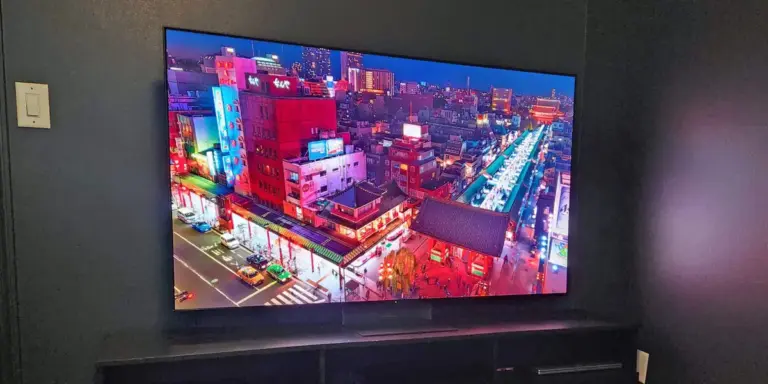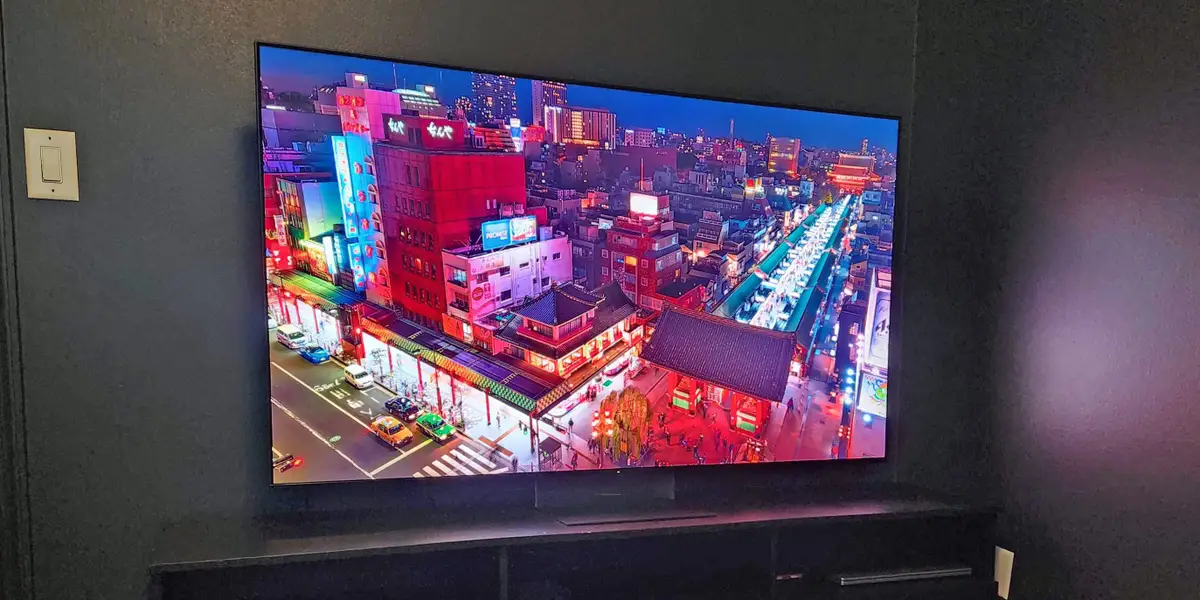
RGB LED is the latest innovation in TV tech, allowing screens to produce a wider, purer range of colors than ever before. But not all RGB LED TVs are created equal. I’ve tested top models from brands like Samsung and Hisense, but the Sony Bravia 7 II is my favorite RGB LED TV so far. It shows off all the benefits that make RGB tech so cool while coming in at a surprisingly reasonable price. And right now, it’s an even better deal at up to $800 off.
Read more Here’s how to protect your information from the PHP flaw, according to cybersecurity pros
What makes the Bravia 7 II so special is its use of Sony’s new True RGB backlight. This system uses separate red, green, and blue diodes to produce a wider range of colors than typical QLED and Mini LED rivals. It also boasts impressive contrast control and solid viewing angles for a backlit TV. The 65- and 75-inch Bravia 7 II are both $800 off, while the 55-inch model is $400 off — the best prices I’ve seen on each size yet.
I’ve been reviewing TVs for more than a decade, and the Bravia 7 II stands out as one of the best values Sony has ever offered. The brand is known for delivering premium performance at premium prices, and though the Bravia 7 II still costs a decent chunk of change, its price is competitive considering its cutting-edge technology — especially with these discounts.

The Bravia 7 II uses the same True RGB backlight technology as the more expensive Bravia 9 II. It can’t get as bright, but still delivers excellent color and contrast.
What we like
What we don’t like
Why we love the Sony Bravia 7 II True RGB TV
The Bravia 7 II is the best Sony TV for most people. It uses the same core technology that powers the brand’s more expensive Bravia 9 II, but comes in at a more approachable price without sacrificing too many features.
Color is one of the TV’s most notable strengths. In my testing, Sony’s True RGB lighting system proved to be more than just marketing hype. I measured the display’s BT.2020 color gamut at around 87%. Though it’s still rare for movies and shows to take full advantage of such a wide color range, that extra coverage helps futureproof the TV. And for today’s content, the TV covers nearly 100% of the more commonly used P3 color gamut. The result is a vibrant, rich sheen that looks gorgeous when watching HDR (high dynamic range) videos.
Brightness is also solid with a peak of roughly 2,243 nits, which is enough for bright and dark rooms. And perhaps even more importantly, the TV can control its brightness exceptionally well for a backlit display. Black bars in widescreen movies don’t quite disappear in a dark room, but the Bravia 7 II’s local dimming is among the best in this class. With the lights off, dim scenes have an inky quality rather than turning into a cloudy mess.
Read more Barclays is cutting 5,000 jobs — including developers — in an AI push
Image quality also holds up surprisingly well from off-angle. Vibrant red hues in my go-to test scene remained vivid when sitting at my desk off to the side of the TV. On lesser displays, this scene looks more washed out and orange.
Sony rounds things out with the fast, intuitive Google TV interface, Gemini voice control, and a unique “Mirage Stand.” The stand has a clear front panel that uses optical refraction to make cables routed behind it almost appear to vanish. This is one of those clever little design touches that just makes you smile when you see it in person.
Other RGB LED TVs I’ve tested also offer solid performance, but the Bravia 7 II is the best value. The Samsung R95H costs more and was a bit dimmer in my tests. The similarly priced Hisense UR9 is a closer match to the Bravia 7 II, and was actually brighter in my tests, but Sony’s TV offers more refined backlight control and a cleaner, crisper image thanks to its superior processing.
The Bravia 7 II does miss out on a few extra perks that you get with Sony’s pricier Bravia 9 II, including an even brighter picture, an excellent anti-glare screen coating, and a rechargeable backlit remote. But given the price difference, I’m genuinely impressed by just how close this more affordable model gets to flagship performance.
Looking for more recommendations? Check out our guide to the best TVs. And learn more about RGB tech in our RGB LED vs. Mini LED guide.
Read more The hedge fund talent war might finally be slowing down
About the Author