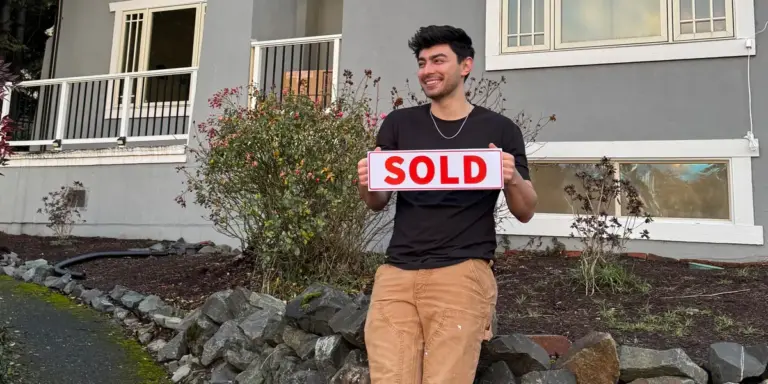
Brannon Potts, 54, started building rental properties in his late 40s as part of a plan to create another source of income and eventually retire in his 50s.
Read more The anatomy of a Morgan Stanley intern: Chipotle, a gym membership, and a flashy bag
Over the past five years, the Fort Worth-area investor has used a build-to-rent strategy to construct 14 rental units across eight properties. As his portfolio has grown, Potts has refined both the homes he builds and the way he manages them. He said he’s now built the same house five times, making small changes along the way.
“I’ve got it pretty optimized,” he told Business Insider, but getting there hasn’t been “all sunshine and rainbows.”
Potts, who documents his builds and breaks down the numbers behind his investments on his YouTube channel, shared two mistakes that have changed how he runs his real estate business.
1. He let too many leases expire around the same time
Vacancy can quickly eat into a landlord’s returns, a lesson Potts learned after leasing up a fourplex.
“I was just excited to get them all leased and kind of get it rolling,” he said. The problem came later, when several tenants moved out within a short window. “All of a sudden, I had all these leases terminating within 30 days, and I had a lot of vacancies all at once.”
Potts began staggering lease expirations so he wouldn’t have to replace several tenants at once. At the fourplex, he said only two leases come up for renewal each year, and even those are spaced roughly 60 days apart.
He takes a similar approach when he finishes multiple properties around the same time and has several units ready to rent. That happened this year, when he completed two nearly identical multi-family properties. Rather than advertise both at once, he marketed them one at a time.
Read more The author of ‘Sapiens’ says ‘now is the time’ to resist giving AI rights
“We only put one property on the market, because we don’t want to flood that area,” he said. Once one is leased, he moves on to the next.
2. He took on more debt than he was comfortable with
His other mistake involved leverage. On one multifamily property, he said his loan-to-value ratio was between 80% and 85%, which, looking back, is higher than he now considers prudent for his portfolio.
“I overleveraged it more than I’m comfortable with,” said Potts, who comes from a banking background. He worked in commercial lending before joining his family business as CFO. That experience made him especially wary of carrying too much debt. “I’ve seen the foreclosures of people who are overleveraged.”
Today, he generally tries to keep his loan-to-value ratio around 70% to 75%. That means leaving more of the property’s value as equity, rather than financing as much of the purchase as possible.
That cushion “gives optionality” if something goes wrong, he said.
If property values fall or he needs to sell quickly, a highly leveraged investor could owe nearly as much as the property is worth, while selling costs eat into the remaining equity. At 85% or 90% leverage, Potts said, an investor risks ending up “upside down.”
“I’m not planning to sell any,” he added. “But I’m thinking multiple paths if things go wrong. Worst case, I can sell and get out.”
About the Author