While Leopold Aschenbrenner’s 67% loss last month might have had the industry’s most severe drawdown in July, plenty of stockpickers focused on cutting-edge companies also suffered.
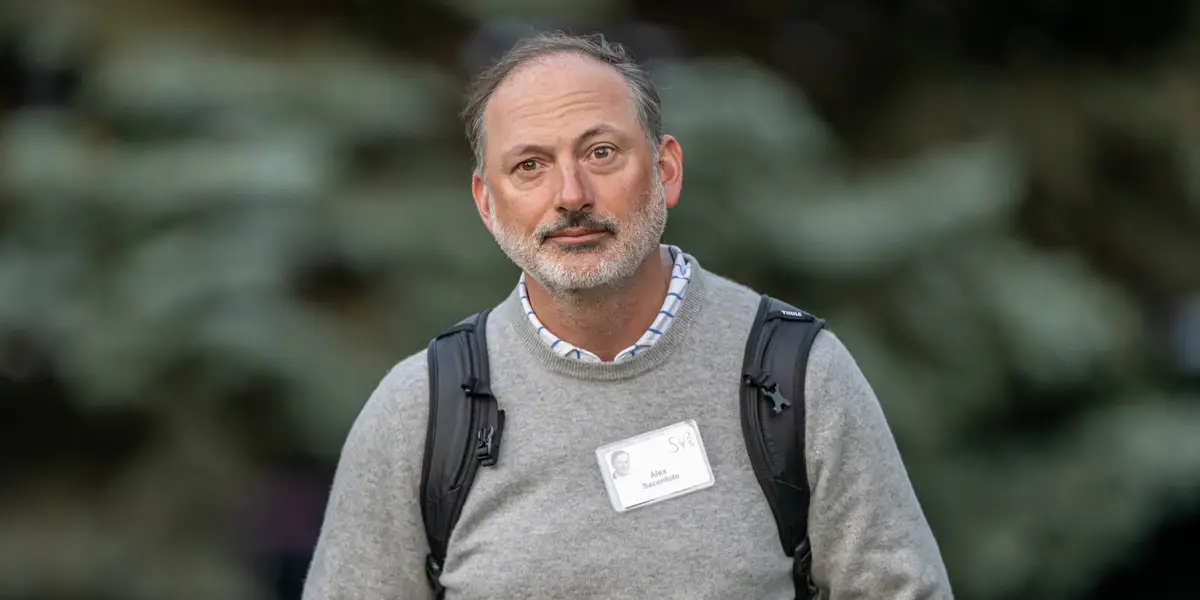
Alex Sacerdote’s Whale Rock Capital was down 21.7% in its flagship fund in July, a person close to the Boston-based manager told Business Insider. The firm had been riding high coming into the month, and July’s losses put the fund’s gains at 35.1% for the year. That’s a sharp decline from the 72.5% return it had through June.
The manager, which turned 20 years old this year, was down 18.8% in its long-only fund last month, the person said. That fund is still up 36.8% in 2026.
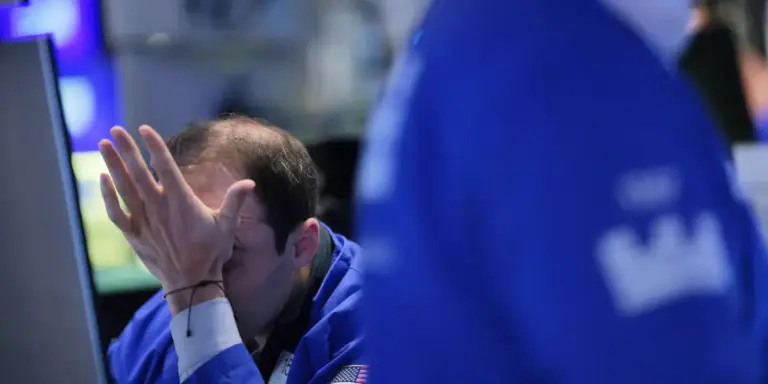
July was a tough month for AI and semiconductor stocks. Names like SanDisk, Bloom Energy, and CoreWeave tanked in mid-July amid jitters in Asian markets. Mega-cap stocks like Google and Meta also faced minor sell-offs as investors worry about continued spending on AI.
The $19 billion firm added to its stakes in SanDisk and Bloom Energy in the first quarter, according to regulatory filings.
A spokesperson for Whale Rock declined to comment.
Meanwhile, Philippe Laffont’s Coatue Management lost 8.3% in July, paring back gains the firm had made on the year. The tech-focused firm’s 2026 gains now stand at 14.3%.
Read more OpenAI reaches $3.2 million settlement with DOJ over claims it discriminated against US workers
Marshall Wace‘s long-short fund Eureka, meanwhile, was down 6.9% in July, putting its year-to-date gains at 11.6%.
The firms’ results may have been even worse if Citadel had not purchased the bulk of Aschenbrenner’s public equity portfolio. Situational Awareness, Aschenbrenner’s young fund, had juiced bets on artificial-intelligence-linked companies with borrowed money from bank partners.
The sell-off in many AI stocks forced Aschenbrenner to find a buyer to meet his lenders’ margin calls. After news of Citadel’s purchase circulated throughout the investment industry, many AI stocks rallied, though not enough to erase the losses from the previous weeks.
About the Author