Even in a meltdown, Leopold Aschenbrenner was able to retain his best asset.
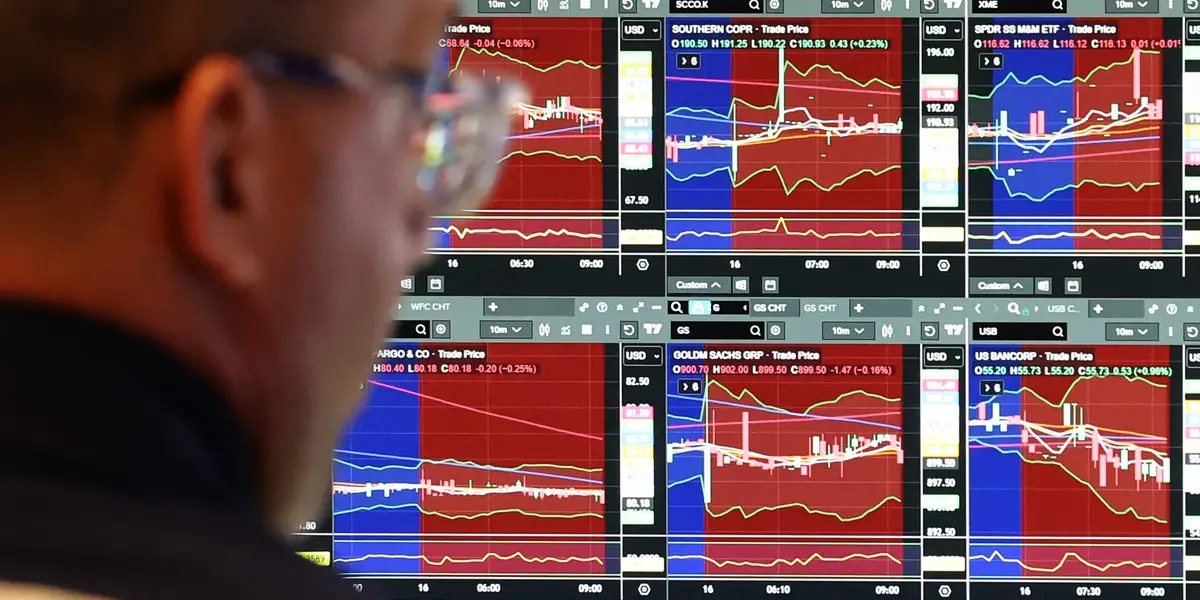
The 25-year-old founder of artificial-intelligence-focused investor Situational Awareness was forced to sell a majority of his public equity holdings to Ken Griffin’s $71 billion hedge fund Citadel on Wednesday, several people familiar with the situation confirmed to Business Insider. Outlets, including the Financial Times, Wall Street Journal, and CNBC, had previously reported on the once-$20 billion fund’s rapid unwind.
Read more AI’s real threat to the job market isn’t job loss, it’s lower paychecks, new research says
The people confirmed that Situational Awareness did not sell its private portfolio of AI companies, which includes a significant stake in Anthropic, which is expected to go public in the next few months and was last valued at $965 billion in a Series H funding round in May. Aschenbrenner’s fiancée also works for the leading AI company.
There were other bidders for the firm’s public equities book, which included large positions in AI hardware stocks such as Nebius and Sandisk.Citadel rival Millennium and Situational Awareness investor Jane Street both put in their own offers, people familiar with the situation said.
The firms mentioned declined to comment.
Aschenbrenner was forced to sell to Griffin due to margin calls on positions that the firm had levered up — or borrowed money from banks to juice returns — that had fallen. When positions fall, bank partners ask for additional collateral to protect their investments, news of which can lead to stocks falling further, creating a self-perpetuating downward spiral.
While the high-flying fund, which had returned more than 400% in the year before July, has been humbled, a person close to the fund said the manager will still trade public equities and has kept a small chunk of its book.
Read more You can now call out LinkedIn AI slop using a new button
Now, though, the fund that was once closely watched by retail traders trying to make a fortune by copying trades will be mostly in private companies, including the gem of its portfolio, Anthropic.
Aschenbrenner, who graduated as the valedictorian from Columbia University at 19, burst on the AI scene when he published a manifesto on the future of AI in the summer of 2024 while he was working as a researcher at OpenAI. The essay, titled Situational Awareness, predicted the imminent arrival of superintelligence and a potential war with China if the US didn’t lead the way.
He was fired from OpenAI after the publication of the essay and decided to start an asset manager focused on the sector, despite having no professional investment experience, launching with less than $1 billion. The fund quickly scaled, counting Silicon Valley bigwigs like Stripe cofounders Patrick and John Collison, former Y Combinator partner Daniel Gross, and onetime GitHub CEO Nat Friedman as original backers.
Read more 3 former Tinder interns share how they secured full-time jobs at the company
About the Author