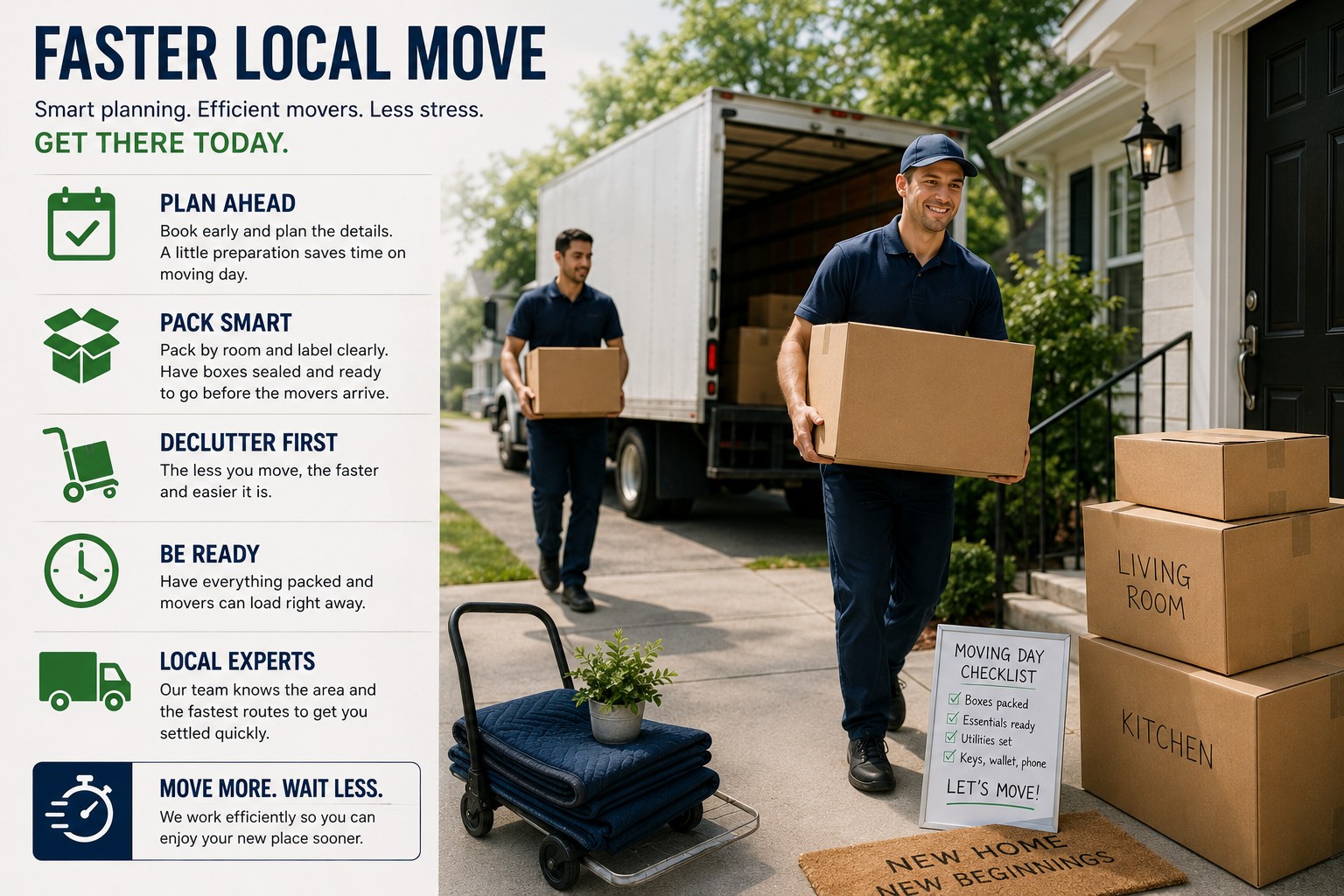
A moving box is only useful if you know where it belongs. During a local relocation, it can be tempting to write “kitchen” or “bedroom” on a carton and move on. But when dozens of boxes arrive at a new home, broad labels quickly become confusing. A more thoughtful room-labeling system can turn unloading into an organized process instead of a guessing game.
For homeowners arranging a Las Vegas relocation, local services from Nevada Movers can handle the physical transportation while a clear labeling system helps the crew place belongings where they need to go. Planning the labels before packing also makes residential unpacking considerably easier.
Build the System Before Packing
Do not wait until moving day to decide how boxes will be identified. Choose a simple system that everyone in the household can understand.
A useful label can contain three pieces of information:
- Destination room
- General contents
- Handling instruction, if necessary
For example, “Kitchen — cookware” is more useful than simply “Kitchen.” “Primary Bedroom — bedding” immediately tells the movers and household members where the carton belongs.
Give Every Room Its Own Identity
If the new home has several similar spaces, make the labels more specific. Instead of using “Bedroom” for everything, distinguish between “Primary Bedroom,” “Guest Room,” and “Office.”
This prevents boxes from accumulating in the wrong rooms simply because the labels were too general.
Choose a Visual Method
Text is important, but visual cues can make sorting even faster. Color-coded labels, symbols, or large room abbreviations can help identify destinations from a distance.
Keep the system consistent. If blue represents the kitchen, every kitchen box should use the same marker or label.
Avoid creating an overly complicated code that only one person understands. The best labeling system is one that movers can interpret immediately.
Put Labels Where They Can Be Seen
A beautifully written label does little good if it is hidden underneath another carton.

Place identifying information on at least two visible sides of each box. This makes the destination easier to determine regardless of how the container is stacked.
Use large, readable writing or printed labels. Tiny descriptions can become difficult to read when boxes are sitting on the floor or inside a moving truck.
Separate Priority Boxes
Not every room needs to be unpacked at the same speed. Mark boxes containing items that will be needed immediately after arrival.
Create an Essentials Category
An essentials label can identify cartons containing:
- Basic toiletries
- Towels
- Chargers
- Coffee or simple kitchen supplies
- Cleaning products
- Bedding
- A change of clothes
Keep these containers accessible rather than buried beneath furniture.
Add Handling Information for Fragile Items
Room labels should not replace important handling instructions. If a carton contains glassware, electronics, artwork, or another delicate item, make that information prominent.
Likewise, identify boxes that should remain upright or should not have weight placed on top of them.
Nevada Movers can work more efficiently when important information about the shipment is visible before individual items are carried into the house.
Match Labels to the New Floor Plan
The labeling system should reflect the destination rather than the room where the box originated.
This distinction matters when furniture or belongings are being rearranged during the move. A carton labeled “Old Office” is less useful if the new home uses that room as a guest bedroom.
Before packing, walk through the new property and decide what each room will be called. Then use those names consistently.
Make the Unloading Crew Part of the Plan
When the movers arrive, briefly explain the labeling system. If certain rooms have restricted access or if some boxes need to be placed in a specific area, communicate those details before unloading begins.
A simple room map posted near the entrance can also help direct traffic. Movers can check the map rather than repeatedly asking where each category belongs.
For households using local services from Nevada Movers, clear instructions can make the unloading stage faster and reduce unnecessary movement between rooms.
Keep an Inventory Behind the Labels
Labels tell you where something goes; an inventory tells you what you actually have.
For a larger relocation, maintain a basic list of box numbers and contents. This is especially useful for important documents, electronics, valuables, and items that may not be unpacked immediately.
Once boxes are delivered, mark them as received. This creates a simple record of the move without requiring an elaborate tracking system.
A good labeling strategy saves time because it solves problems before they occur. With consistent room names, visible labels, priority markings, and clear communication, a Las Vegas local move can transition from loading to organized unloading with far less confusion. The physical assistance provided by nevada movers becomes even more effective when every box already has a clear destination.
About the Author