
Moving industrial equipment is a very different task from clearing an ordinary office. A machine may weigh hundreds or thousands of pounds, have an unusual shape, require careful positioning, or be connected to utilities that must be disconnected before transportation. Even moving equipment within the same Dunedin facility can require substantial preparation.
For local companies facing this type of transition, the priority should be controlled handling rather than simply getting everything onto a truck as quickly as possible. Dunedin Movers https://dunedinmovers.com/ can assist businesses with commercial relocation logistics, helping coordinate the physical movement of appropriate equipment and workplace assets.
Begin With an Equipment Map
Before anything is lifted, create a clear inventory of the machinery that needs to move. Record dimensions, approximate weight, current location, destination, and any special handling considerations.
This information helps reveal which pieces are straightforward and which ones may require additional planning.
Identify the Difficult Routes
The machine itself is only half the equation. The path between its current position and the loading area matters just as much.
Doorways, corridors, ramps, loading docks, elevators, corners, and changes in floor level can all influence the moving procedure. Measuring the available clearance beforehand reduces the chance of discovering that a machine simply cannot pass through an intended route.
Separate Technical Work From Physical Moving
Industrial equipment often has electrical, hydraulic, pneumatic, or other connections. These systems should be disconnected and prepared by qualified personnel according to the equipment manufacturer’s requirements and the company’s own safety procedures.
Once equipment has been properly prepared, the moving team can focus on the physical logistics.
Commercial Movers can be particularly useful for coordinating the loading, transportation, unloading, and positioning of business assets, while specialized technicians remain responsible for technical disconnection and recommissioning.
Think About Weight Distribution
Heavy machinery cannot be treated like ordinary office furniture.
Prepare the Loading Area
The loading location should be accessible and free from unnecessary obstacles. The company should also establish where equipment will be placed in the destination facility before transportation begins.
Knowing the final position in advance can prevent the need to move extremely heavy machinery repeatedly after delivery.
Where appropriate, the relocation plan should also account for the capabilities and limitations of the transportation equipment being used.
Protect the Equipment During Transportation
Industrial machines can contain precision components that are vulnerable to impact, vibration, moisture, or improper positioning.
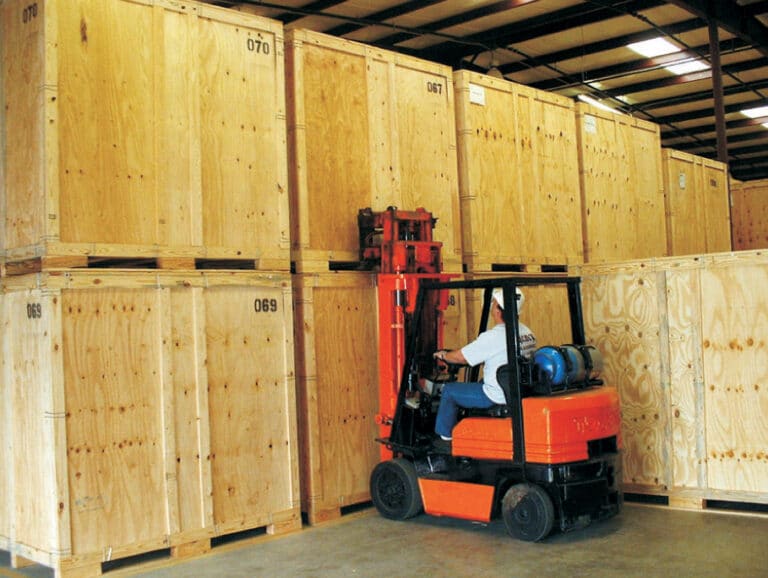
Moving preparations should therefore reflect the characteristics of each machine. Loose components may need to be secured, removable parts protected separately, and sensitive surfaces shielded against contact with other objects.
Document the Condition Before Moving
Taking photographs before equipment is relocated can provide a useful record of its condition. Labels, serial information, and removable components can also be documented as part of the inventory process.
This is especially helpful when a company is moving multiple machines and needs to confirm that everything arrives at the correct destination.
Schedule the Relocation Around Production
A factory, workshop, warehouse, or industrial operation may not be able to stop functioning for an entire day.
Instead of approaching the relocation as one uninterrupted event, management can divide it into stages. Equipment that is essential to current production can remain operational while less critical machinery is moved first.
Commercial Movers can work within an agreed schedule so the physical relocation is coordinated with the company’s operating requirements.
Don’t Forget the Space Left Behind
Once a machine has been removed, the newly available floor area may require cleaning, inspection, repair, or reconfiguration. Planning these tasks alongside the move can make the transition more efficient.
The same applies to the destination. Power connections, floor preparation, workspace markings, and safety clearances should be addressed before equipment arrives whenever possible.
Storage Can Help During Facility Changes
Industrial relocations sometimes involve temporary shutdowns, renovations, lease transitions, or changes to production space. Not every piece of equipment needs to go directly into its final position.
Where suitable storage is available, selected business assets can be held temporarily while the facility is prepared. This can prevent machinery from occupying valuable working space before it is actually needed.
For Dunedin businesses handling heavy equipment, professional moving support provides more than transportation. It helps bring together inventory planning, route assessment, loading, delivery, and scheduling into a single coordinated process. With Dunedin Movers assisting with the appropriate commercial moving tasks, companies can approach an industrial relocation with greater control and fewer avoidable interruptions.
About the Author