A high-rise apartment can offer incredible views, convenient amenities, and a central location, but moving into one is rarely as simple as carrying boxes through the front door. Elevators, loading docks, parking restrictions, building reservations, security procedures, and narrow corridors can all influence how a local relocation unfolds.
For customers moving into a high-rise, the most effective strategy is to plan around the building rather than treating it like an ordinary residential property. Professional movers familiar with Local Moving Hawaii can account for these details in advance and create a moving-day plan that keeps the process organized.
Information about local relocation services and planning can be explored at https://hawaiimovingservices.com/, particularly for customers whose destination has more complicated access than a traditional house.
The Elevator Becomes Part of the Moving Route
In a high-rise building, the elevator is often the most important piece of moving equipment that does not belong to the movers.
A building may require residents to reserve a service elevator, provide a certificate of insurance, or select a specific delivery window. Some properties limit how long movers can occupy the elevator or require protective padding to be installed before use.
Reserve Before the Truck Arrives
Waiting until moving day to discover that the elevator is unavailable can create a serious delay. Customers should confirm the reservation with building management and communicate the approved time window to the moving crew.
The elevator’s dimensions are worth checking as well. A large sofa or tall cabinet may require careful positioning or partial disassembly to fit safely.
Parking and Loading Can Be Complicated
A high-rise may have limited curb space or a loading zone shared by residents, deliveries, and other businesses. The moving vehicle may not be able to remain directly outside the entrance for an extended period.
A well-organized Local Moving Hawaii plan takes this into account before the crew arrives.
Identify the Shortest Practical Route
If movers must carry belongings from the vehicle to a building entrance, every additional distance matters. Heavy furniture and large boxes can quickly turn a short move into a much longer operation when parking is several buildings away.
Knowing where the truck can stop, which entrance should be used, and how belongings reach the elevator allows the crew to establish an efficient route.
Building Rules Should Be Part of the Moving Plan
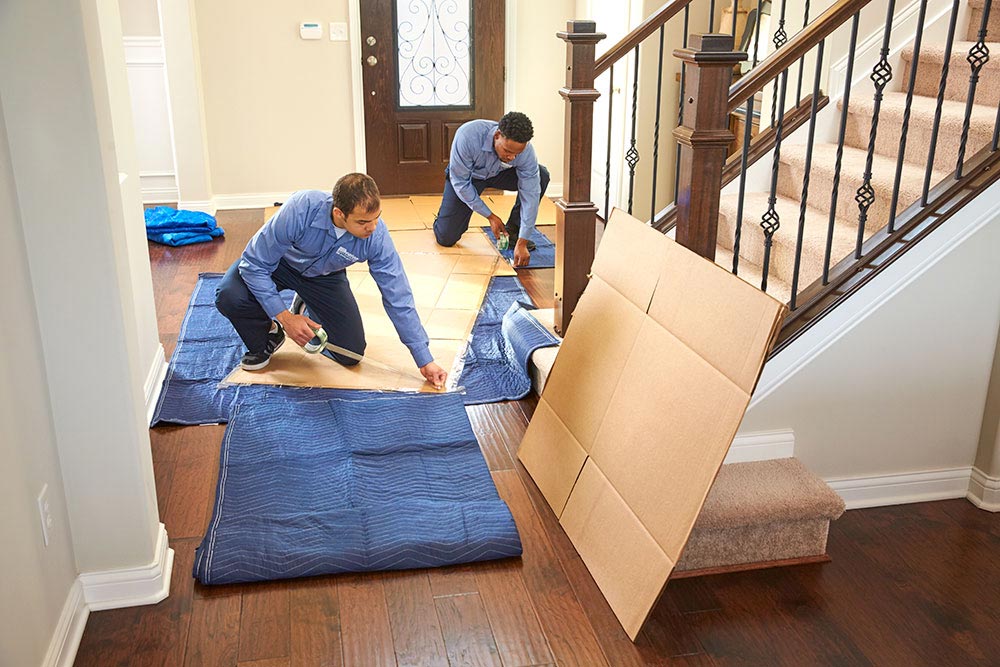
High-rise properties often have rules designed to protect shared spaces. Floors, walls, elevator interiors, carpets, and doors may need protection during a move.
Residents should ask management about:
- Approved moving hours
- Service elevator requirements
- Loading-zone restrictions
- Security check-in procedures
- Insurance documentation
- Access cards or keys
- Rules concerning hallway protection
Providing this information ahead of time helps avoid interruptions once the movers begin.

Furniture Needs a Different Approach
Large furniture can become the most challenging part of a high-rise move. A sectional sofa may need to be separated, while a tall wardrobe might require careful positioning inside the elevator.
Protecting Corners and Finishes
Professional movers can wrap furniture before transporting it through common areas. This reduces exposure to walls, door frames, elevator interiors, and other surfaces.
Disassembly can also make certain pieces easier to maneuver. Hardware should be kept organized so that furniture can be reconstructed correctly after reaching the apartment.
Timing Matters More Than Distance
A local move can sometimes be completed quickly when the route is straightforward. High-rise relocations are different because access is controlled by the building.
If the elevator is reserved for a specific period, the crew needs to make efficient use of every available minute. Packing and preparation should therefore be completed before the scheduled loading window whenever possible.
This is another reason to work with movers who understand the practical requirements of Local Moving Hawaii rather than assuming every residential move follows the same pattern.
Preparing the New Apartment
The destination should be ready before the first box arrives.
Clear pathways inside the apartment, decide where major furniture belongs, and make sure the building has authorized the move. If possible, measure tight doorways and identify areas where larger pieces may need extra maneuvering space.
Give Movers a Placement Plan
A simple room-by-room plan can save time. Boxes labeled “kitchen,” “primary bedroom,” or “office” can go directly to their intended locations instead of accumulating around the entrance.
This is especially helpful when elevator trips are limited or shared building spaces need to remain clear.
Making Vertical Moves Feel More Manageable
Moving into a high-rise is a local relocation with an added layer of coordination. The distance between the old home and the new one may be short, but elevators, parking, building policies, furniture dimensions, and restricted access can make the logistics considerably more demanding.
When those factors are addressed before moving day, the process becomes easier to control. A professional approach to Local Moving Hawaii can turn the high-rise’s most challenging features—limited loading space, shared facilities, and vertical access—into manageable parts of a carefully planned move.
About the Author