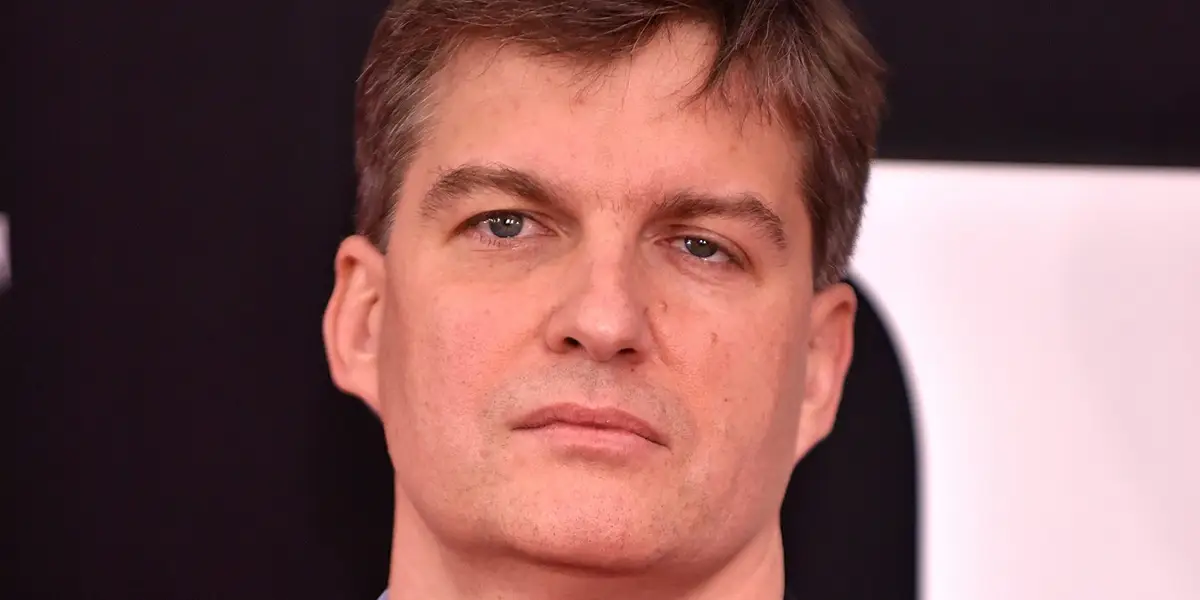
Michael Burry says he’s shorting Oracle and Nebius, two companies that are betting big on the AI boom.
Read more Influencers fear the AI ‘Scarlet Letter’
The investor of “The Big Short” fame said in a Substack post on Thursday that while researching the fourth part of a series titled “The Heretic’s Guide to AI’s Stars,” he’d shorted the two stocks “because my work just wouldn’t let me continue without doing so.”
Writing broadly about AI companies, Burry compared them to fish in a barrel.
“The fish have gorged themselves on off-balance sheet liabilities. Backstops. Uncommenced leases. Purchase commitments,” he wrote. “The fish have gotten very fat, very large, easy to shoot.”
“Also, so large that it shan’t be long before every last one keels over for lack of oxygen,” he added.
Burry said he’d shorted Oracle stock at about $145. The enterprise-software giant’s shares soared from below $130 to nearly $350 between April and September last year, as the AI boom fueled strong demand for its cloud infrastructure.
But they’ve tumbled nearly 60% since then on mounting concerns that Oracle has taken on too much debt during its data-center buildout.
As for Nebius, Burry said he’d shorted it “in somewhat larger size” at around $212 a share. The AI cloud infrastructure company’s stock fell 13% to $190 on Thursday, but rallied 5% in Friday’s premarket.
Nebius shares have still more than doubled this year, and have leaped roughly ninefold within the past two years.
Oracle, Nebius, and Burry didn’t immediately respond to requests for comment from Business Insider.
‘Bit of a pickle’
Burry has been one of the most vocal skeptics of the AI buildout, warning that Big Tech companies are overinvesting in microchips and data centers that could quickly become outdated.
In contrast, bulls point to the rapid growth rates at AI companies and say they’re only getting started.
Oracle’s remaining performance obligations, a measure of total future contract revenue, soared 363% to $638 billion in the year ended May 31.
Nebius’ revenue soared nearly sevenfold year-on-year in the first quarter to almost $400 million. Its deferred revenue surged by around 150% over three months to $686 million on March 31.
Burry is best known for predicting and profiting from the collapse of the mid-2000s housing bubble. His contrarian wager was chronicled in the book and movie “The Big Short.” He pivoted from running a hedge fund to writing about his personal investments late last year.
He’s been negative on Oracle for many months, writing in a recent comment on his Substack, Cassandra Unchained, that it “does seem to be in a bit of a pickle.”
“This might be the most expensive tragic fall for a very long time, a Homeresque own goal by a modern deity,” he wrote. “Did not have to be this way.”
Burry said in an August 4 post that he’d exited a bearish wager he’d placed against Oracle using put options. “The profit there was substantial, and so I left it at that,” he wrote, adding that less volatility might prompt him to buy fresh puts.
Back in January, Burry said in a post that he owned bearish puts on Oracle stock and had shorted it during the second half of 2025. He explained that he didn’t like the company’s positioning and its investments, and found its AI strategy to be inexplicable and unnecessary.
In the chat thread for his latest post, he wrote that Nebius faces a “ton of execution risk” given the high costs and long leases in the data center business, and the difficulty of winning long-term commitments from customers.
Read more Are shorts in the office appropriate? Readers have largely told us ‘no’ — with some exceptions
About the Author