Remember the executive who sparked the tokenmaxxing panic earlier this year after saying Uber had already blown through its 2026 budget for Anthropic’s Claude Code? He’s back with a more interesting lesson about AI.
Read more DoorDash is paying people to load its delivery robots. It points to a shortcoming of automation
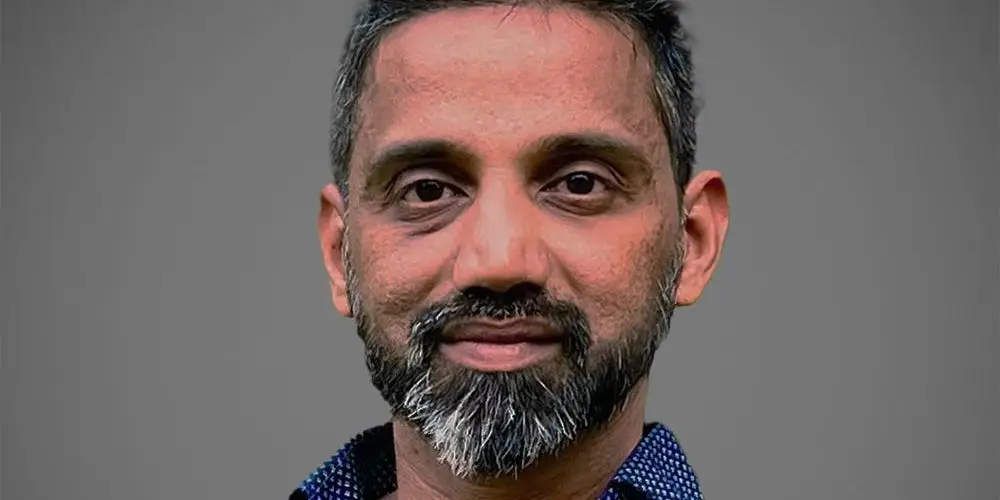
Uber CTO Praveen Neppalli Naga says the company has started sending its best AI engineers into departments like finance, legal, marketing, customer support, HR, and procurement to study how people actually work before building AI tools with them.
He called these two-week teams “Agentic Pods.” Engineers spend the first few days shadowing employees, learning every step of a workflow, then quickly build and test software to improve it.
The results are striking. One financial planning process dropped from 15 hours to 30 minutes. Financial reports fell from two days to 10 minutes. Marketing quality checks shrank from two weeks to less than an hour.
Naga said the biggest gains rarely come from speeding up one task. They come from redesigning an entire workflow around AI, eliminating unnecessary approvals, replacing old software, and helping people make decisions faster. You can see this at work here, too.
Read more He turned a side hustle into a video game resale business that’s brought in $4 million this year
Several tech executives compared the approach to Silicon Valley’s fast-growing “forward-deployed engineer” role. The twist? Instead of sending these AI experts to customers, Uber is deploying them inside its own business to find the next wave of productivity gains.
Peter Wilczynski, chief product officer at Vantortech, jokingly dubbed the role the “Rearward Deployed Engineer,” describing engineers embedded deep inside corporate operations to redesign entire workflows around AI rather than simply speeding up individual tasks.
Sign up for BI’s Tech Memo newsletter here. Reach out to me via email at [email protected].
Read more Blackstone’s Jon Gray goes jogging and goes viral. I took a run with him.
About the Author