As tech giants aggressively build out compute to meet the demands of the AI boom, some face a tricky dilemma: how much should they hoard and how much should they sell?
Read more Meta and Microsoft’s AI spending: a tale of two earnings reports
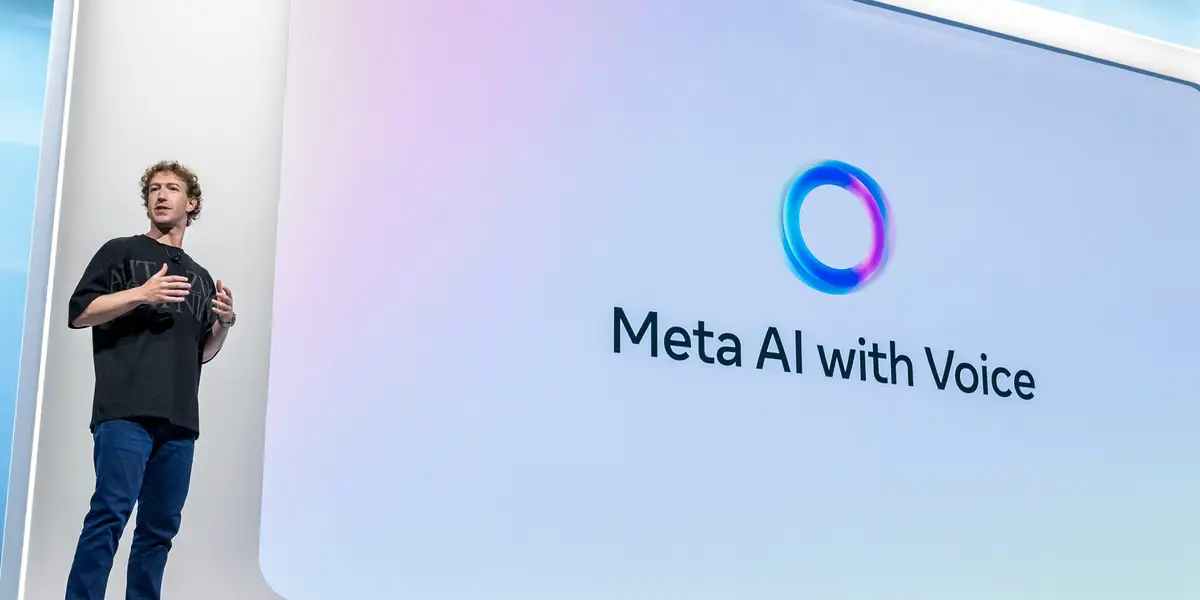
Meta CEO Mark Zuckerberg addressed the issue on the company’s Q2 earnings call this week. While Meta doesn’t currently have a business selling compute — the data center processing power used to run AI — to customers, Zuckerberg has said it’s on the cards.
Zuckerberg said that a “significant portion” of its compute will go toward training Meta’s AI models, powering agents, and growing its core business. “But we also expect to grow a large business serving large customers as well,” he said.
Tech giants are racing to build out morecompute to power soaring demand for artificial intelligence. Google and Meta both just slightly raised their capex forecast for the year, and Google signaled 2027 will likely be even bigger (in a rare move, Microsoft held the line on its capex projections).
All that spending is now showing up in the financials: Google’s cash flow went negative in Q2 for the first time in the company’s history, and Meta’s plunged 91% from the previous year.
Selling compute is one way to offset that cash problem, but it also comes with an opportunity cost. The common refrain from execs across the companies is that there simply isn’t enough compute to go around. These companies are racing to stay ahead in the AI race, and employees sometimes compete for access to compute.
It’s a conundrum for Microsoft, too. As Business Insider’s Dan DeFrancesco put it earlier this week: “Does it cash in on demand today or focus more on its long-term goals?”
On Wednesday’s earnings call, Microsoft CFO Amy Hood said that “customer demand continues to exceed available capacity” for its cloud business.
‘Foolish’ to take a short-term profit
Zuckerberg returned to this problem later in the call on Wednesday. “Obviously, a common trade-off that we need to make is around how much do you monetize something today versus develop future assets for the future?” he said.
Read more Blackstone transformed Jersey Mike’s. Now it’s giving employees a bite of the $7 billion IPO.
“It would be foolish to basically just sell all of the compute and take a short-term profit,” he said, adding that improved intelligence would compound the value of the compute.
Hoarding too much compute could also be bad for the lucrative cloud businesses of hyperscalers like Google. “If you don’t have enough compute for enterprises, they’ll go right back to Amazon or Microsoft,” said Bernstein analyst Mark Shmulik in a research note on Google last week.
Last week, Google said it would buy more third-party compute to satisfy customer demand as it builds out more internal compute for itself.
Google is also building its own chips, known as tensor processing units, or TPUs, which it is putting into other data centers with partners to unlock more capacity.
“Our first priority is making sure we are allocating what we need to compete at the frontier in terms of AGI development,” said CEO Sundar Pichai on last week’s earnings call, referring to how Google is using TPUs. “That is the foundation for everything we do.”
While Google leans on its cloud business to boost growth, it also needs to hold enough compute for itself to protect its moat around Search, Shmulik said in last week’s note.
Oh, and it also needs to keep developers happy and locked into its ecosystem, which means allocating — you guessed it — more compute.
Read more A prominent short-seller is adding a new client fee to pay for beefed-up security
About the Author